Quick answer:
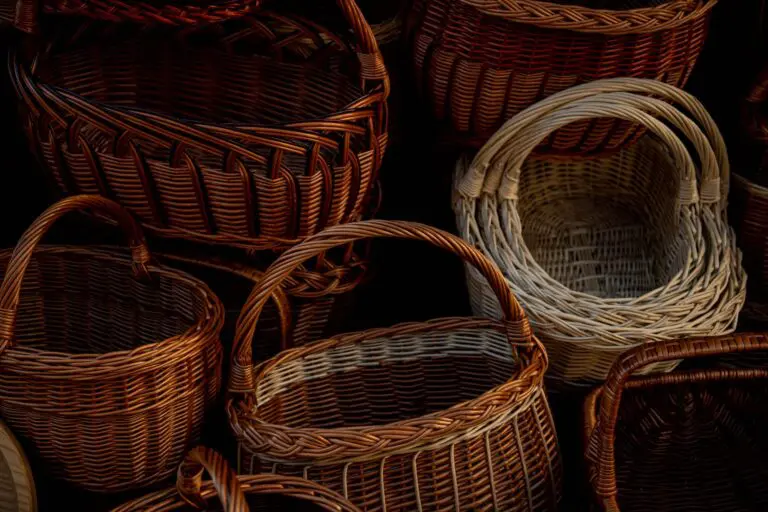
The best wicker baskets for garden harvesting are the ones that match the job. For flowers and lighter garden jobs, choose a lighter basket with easy carrying. For vegetables, apples, or heavier produce, choose a stronger basket with enough depth and a sturdy handle. If you want a traditional all-round garden option, start by looking at wicker trugs and practical carrying baskets in the Peak Sales shop.
Why a wicker basket still works so well in the garden
Garden tools and accessories have changed a lot over time, but wicker baskets are still popular for one simple reason. They do the job well. A good wicker basket is light enough to carry around the garden, strong enough for regular use, and easy to put down, pick up, and use again throughout the day. It also feels more at home outdoors than many plastic containers, especially when you are moving between flower beds, greenhouse space, vegetable patches, and the shed.
There is also the practical side of shape and handling. Many garden jobs involve carrying a mix of awkward items rather than one heavy object. A basket works well because it gives you open space, easy access, and a simple handle. You can drop in secateurs, twine, labels, seed packets, cut stems, or a few picked vegetables without needing to stop and rearrange things every few minutes.
That is why wicker baskets stay useful. They are simple, but they suit real garden routines. They work for harvesting. They work for carrying. They work for those in-between moments when you are not doing one specific task but moving from one small job to the next.
What makes a good garden harvesting basket?
Not every basket that looks nice will work well in the garden. A good harvesting basket needs to be chosen with use in mind first. The best baskets usually get a few key things right.
Easy carrying
A garden basket should feel comfortable enough to carry while you move around the garden, not just when it is empty but once it starts to fill up.
Useful shape
The basket should suit what you are carrying. Flowers, herbs, apples, and seed packets do not all need the same shape or depth.
Strong enough for regular use
Garden work is practical work. A basket needs to cope with repeated handling, outdoor use, and the odd heavier load.
Simple access
You do not want to fight the basket every time you add or remove something. Open access is one of the biggest reasons garden baskets are so handy.
These points matter more than decorative details. A basket can look beautiful, but if it is awkward to carry or not suited to the job, it will end up sitting unused rather than becoming part of your regular garden routine.
Best wicker baskets for cut flowers
If you mainly cut flowers from the garden, you need a basket that feels light, easy to carry, and simple to reach into. Flowers can be delicate, especially longer stems, so a basket that lets them rest naturally without too much crowding is often the better choice.
A lower, more open style can work well here because it makes it easier to lay stems down carefully as you move around the garden. You do not want a very deep basket if you are only using it for lighter cutting jobs. That can make stems sit awkwardly and become harder to manage.
The handle matters too. If you are moving through borders or cutting from different parts of the garden, the basket should stay easy to lift and set down with one hand while the other hand is busy. This is one reason traditional garden trugs remain popular. They feel natural for this kind of work.
If flowers are your main focus, choose a basket for ease and shape rather than maximum capacity. A lighter, more open design usually feels better in use than a deeper basket made for heavier produce.
Best wicker baskets for fruit and vegetable harvesting
For vegetables, apples, pears, tomatoes, courgettes, or garden produce, you usually need a basket with a little more depth and strength. Harvesting produce is different from cutting flowers because the load builds up faster and can become heavier quite quickly. That makes a sturdy handle and a more supportive basket shape much more important.
A practical produce basket needs enough room for what you are picking without feeling oversized. Too small, and you will be making extra trips. Too large, and the basket becomes awkward once filled. The best option usually sits somewhere in the middle. It should hold a useful amount of produce but still stay comfortable in the hand.
You should also think about what you grow most. Herbs and salad leaves need very little room. Root vegetables and orchard fruit need more support and a basket that feels dependable when carrying weight. That is why there is no single best basket for every gardener. The right one depends on what you actually bring in from the garden.
Best baskets for all-round garden carrying
Sometimes you do not need a basket just for harvesting. You need one for all the small jobs that happen around it. Carrying gloves, string, labels, secateurs, bulbs, seed trays, hand tools, twine, or packets from the shed to the greenhouse is where an all-round basket really earns its place.
For this kind of use, a medium basket is often the strongest choice. It gives you enough room for mixed items but still feels easy to handle. An open design usually works well because you are dipping in and out of it as you go. The basket becomes a working companion rather than a single-purpose container.
This is often where wicker feels most useful. It does not need to be too formal or too specialist. It just needs to be reliable and comfortable enough that you naturally reach for it when heading outside.
If that sounds like the kind of basket you want, it is worth comparing practical wicker options across the wider Peak Sales shop rather than focusing only on one narrow product type.
Why trugs are so popular for gardens
A trug is one of the most useful traditional basket styles for garden work. It usually has a simple shape, an easy handle arrangement, and a layout that suits carrying freshly cut or picked items. That is why gardeners often come back to them year after year. They are not trying to do anything complicated. They simply work well.
For flowers, a trug feels easy to use because it gives quick access and keeps stems manageable. For lighter produce, it also works well because you can see what you have picked and add to it gradually. The basket stays open and practical rather than becoming a deep container you have to dig through.
That said, a trug is not always the only answer. If you want a basket with a slightly different feel or a more rounded shape, another wicker basket may still suit your needs better. The real value in a trug is that it gives you a dependable starting point for garden carrying and harvesting.
How to choose the right size
Size matters because it affects both comfort and usefulness. Many people either buy too small and outgrow the basket quickly, or buy too large and find it awkward once it is filled. The right size usually comes down to three questions:
- What will you mostly carry?
- How much of it do you usually gather at once?
- Do you want the basket for one job or many?
If you mainly cut flowers or collect herbs, a smaller or medium basket often works well. If you gather vegetables or fruit in larger amounts, a medium to larger basket may be more useful. If you want one basket for mixed use, medium is often the safest option because it gives flexibility without becoming too heavy or bulky.
You should also think about your own carrying comfort. A large basket sounds practical until it is filled with apples, squash, or root vegetables. A basket that is slightly smaller but easier to handle can be much more useful over time.
Shape matters as much as size
Two baskets can hold a similar amount but feel completely different in use. That is because shape changes how items sit inside, how easy the basket is to reach into, and how balanced it feels while you carry it.
| Basket shape | Best for | Main benefit |
|---|---|---|
| Lower and open | Flowers, herbs, light garden jobs | Easy access and gentle handling |
| Medium depth | Mixed garden use | Flexible and practical |
| Deeper carrying basket | Fruit, vegetables, heavier produce | More support for fuller loads |
| Traditional trug style | Harvesting and carrying together | Simple, balanced garden use |
This is why browsing by use often works better than browsing by appearance alone. The shape should match what you want the basket to do most often.
Garden basket for display as well as use
Many buyers want a basket that works in the garden but still looks good enough to leave in the greenhouse, utility room, boot room, or kitchen afterwards. That is one of the strengths of wicker. A basket can be practical outdoors and still feel attractive indoors once the job is done.
This matters if you plan to bring herbs, flowers, or produce straight inside and leave the basket on show. A neat wicker basket often feels much more natural in the home than a plastic tub or general storage box. It can hold apples on a worktop, flowers on a table, or seed packets in a porch without looking out of place.
That does not mean you should buy only for looks. It just means you do not have to choose between practicality and appearance. The best wicker garden baskets often manage both.
Common mistakes to avoid
Buying too decorative
A basket may look lovely but still be awkward for real garden work if the handle, depth, or shape does not suit the job.
Choosing too much capacity
A very large basket can become heavy quickly once filled with produce, especially if you carry it around the garden for a while.
Not matching the basket to the task
Flowers, herbs, fruit, and mixed tools all place slightly different demands on the basket. Choose with your main job in mind.
Ignoring reuse
A good wicker basket can still be useful in the home, greenhouse, or shed after harvesting, so think beyond one task.
Who gets the most use from a garden wicker basket?
A garden wicker basket suits more people than you might think. Keen gardeners use them for harvesting and daily tasks. Flower growers use them for cutting and carrying stems. Home growers use them for bringing produce indoors. Even occasional gardeners often find they become useful for all the small carrying jobs that come with looking after an outdoor space.
This is one reason they make good gifts as well. A well-chosen garden basket feels thoughtful because it is both practical and attractive. It is something the person can actually use rather than just admire.
If your gardening tends to be varied rather than highly specialised, one good all-round basket can often cover far more than you expect. That is why choosing a dependable shape and size matters so much.
So which wicker basket is best for garden harvesting and carrying?
The best wicker basket is the one that matches your garden routine. For flowers and lighter cutting, choose a lighter open basket or trug that keeps stems easy to manage. For produce and heavier harvesting, choose a sturdier basket with enough support and carrying comfort. For mixed jobs around the garden, a medium all-round wicker basket is often the safest choice.
For many buyers, the ideal option is not the most decorative basket or the largest one. It is the basket that feels easy to grab, easy to carry, and useful again and again. That is what makes a wicker basket worth having in the first place.
If you want a garden basket that works well and still looks right in the home or greenhouse afterwards, wicker remains one of the best choices. It gives you practicality without losing warmth or character.
To compare useful styles, browse the Peak Sales shop and choose a basket that suits what you harvest, what you carry, and how you actually use your garden.